
Summary
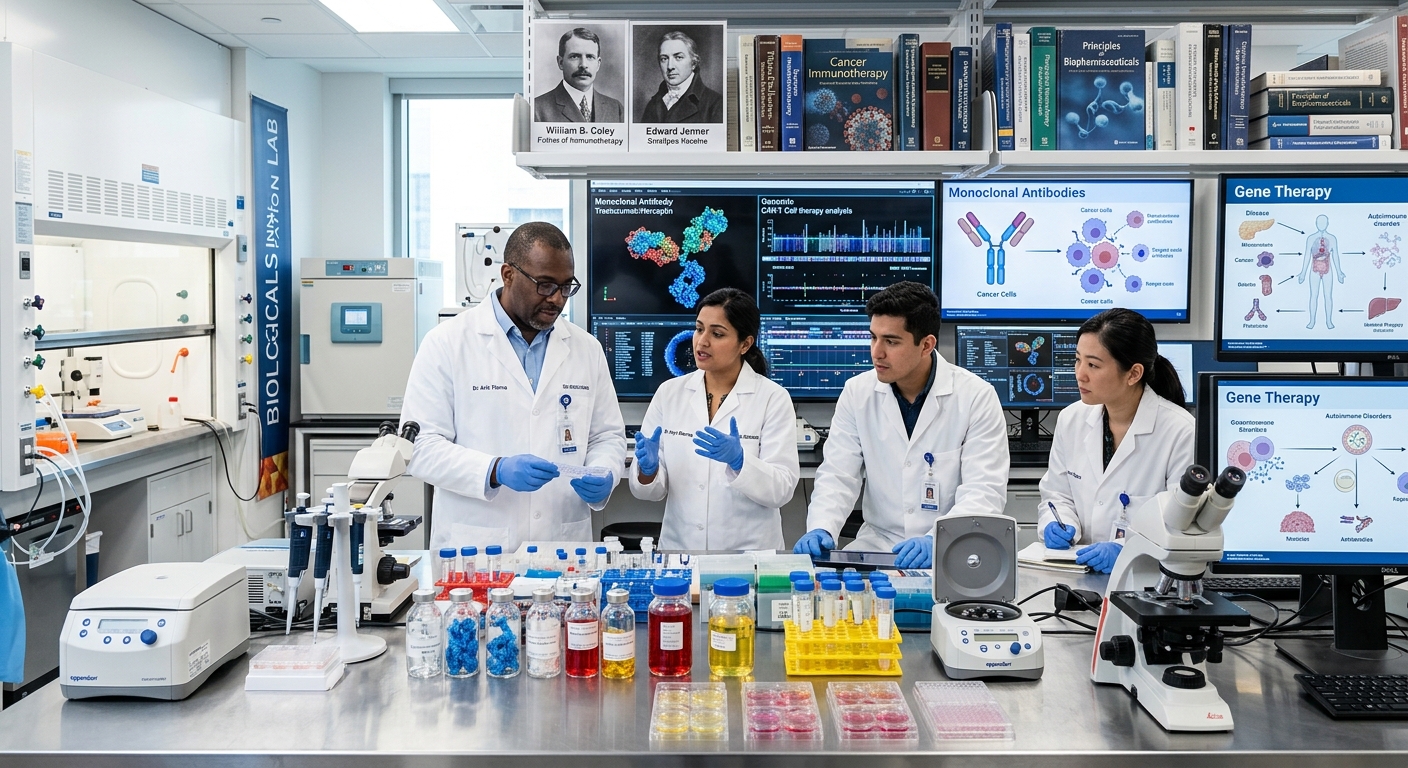
Unlocking the Mysteries of Biologicals and Other Essential Substances focuses on biologicals—medicinal products sourced from living organisms—which differ significantly from traditional drugs. They include various complex products like vaccines and monoclonal antibodies, offering advancements in targeted treatments for diseases like cancer and autoimmune disorders. The historical evolution of these products showcases significant milestones, such as the introduction of recombinant DNA technology, which enhanced therapeutic options and necessitated rigorous regulation to ensure their safety and efficacy.
Definition and Scope
Biologicals, or biologics, are medicinal preparations sourced from organisms, characterized by complex molecules like proteins and nucleic acids instead of standard chemical compounds. They involve a wide range of therapies, including vaccines and blood products, which are produced through detailed regulatory processes unique to biologicals. Understanding biologicals requires a grasp of their role in both therapeutic contexts and fundamental biological processes, reflecting their significance in medical and life sciences.
Historical Background
The use of biologicals in medicine spans over a century, with significant developments such as early cancer immunotherapy by Dr. William B. Coley and the pivotal role of vaccines in public health. Progress in recombinant DNA technology since the 1980s further propelled the field, enabling the production of biologics like synthetic insulin, and has played a key role in modern medical treatments. Overall, these historical advancements lay the groundwork for the sophisticated biopharmaceutical landscape today.
Biochemical Composition of Biologicals
Biologicals comprise diverse substances derived from living organisms, consisting of sugars, proteins, nucleic acids, and sometimes living cells. Their molecular complexity is defined primarily by carbohydrates, proteins, nucleic acids, and lipids, all contributing crucial functions in biological systems. This unique biochemical composition enables the development of various therapeutics, such as vaccines and gene therapies, with specific roles in health recovery and disease management.
Metabolic Pathways Involving Biological Molecules
Metabolic pathways are essential for cellular function, enabling the conversion of substrates into products through enzyme-catalyzed reactions. These pathways are classified as catabolic or anabolic and regulate energy utilization and biosynthesis of biomolecules. The efficient functioning of these pathways supports life processes, highlighting the interconnectedness of biological molecules and their roles in metabolism across different organisms.
Categories and Types of Biologicals
Biologicals encompass vaccines, blood products, allergenics, somatic cells, gene therapies, and therapeutic proteins, representing a wide array of therapeutic options derived from living cells. These versatile agents have critical roles in preventing infections, treating blood disorders, and offering innovative solutions in modern medicine.
Vaccines
Vaccines are vital biologicals known for their effectiveness in preventing infectious diseases, saving millions of lives globally. Their significance surged during pandemics, where they proved crucial in controlling outbreaks. Many vaccines are enhanced with adjuvants to boost immune responses, ensuring greater efficacy.
Blood and Blood Products
Blood-derived products play critical roles in clinical settings, addressing the need for blood replacement and therapeutic interventions in various disorders. Techniques like plasma exchange demonstrate their versatility in treating autoimmune conditions, highlighting their importance in patient care.
Therapeutic Proteins and Monoclonal Antibodies
Therapeutic proteins, produced through recombinant DNA technology, serve crucial regulatory functions within the body. These proteins are instrumental in managing a range of medical conditions, showcasing their significance in biopharmaceutical treatments.
Gene and Cell Therapies
Gene and cellular therapies represent the forefront of medical innovation, offering advanced solutions for previously untreatable conditions. Their ability to modify genetic material provides new avenues for addressing challenging diseases.
Allergenics and Immunoglobulins
Allergenics and immunoglobulins are key components in treating immune deficiencies and allergies, evolving significantly since their inception. Their development has enhanced treatment options, particularly through innovative delivery methods for immunotherapy.
Production and Manufacturing of Biologicals
The production of biologicals involves sophisticated biomanufacturing processes utilizing engineered cells. The manufacturing process includes cultivating cells in optimized bioreactors and employing advanced purification techniques to ensure high-quality therapeutics. Given the biological variability inherent in these products, stringent regulatory oversight is crucial to maintain safety and efficacy standards across the industry.
Biologicals in Immunotherapy
Biologicals are crucial in immunotherapy, harnessing the immune system against various diseases. They include cytokines and monoclonal antibodies tailored to modulate immune responses with precision. Their applications span numerous conditions, including autoimmune diseases and cancers, demonstrating the growing impact of biologicals in modern therapeutic approaches.
Clinical Applications and Indications
Biologics have significantly enhanced treatment protocols for various autoimmune diseases and cancers, driven by their precise mechanisms of action. Monoclonal antibodies, including TNF inhibitors, are commonly used to manage inflammatory conditions, showcasing the shift towards targeted therapies in medicine. The evolution of biologics has opened new avenues for treating complex diseases through enhanced precision and effectiveness.
Pharmacokinetics and Pharmacodynamics of Biologicals
The pharmacokinetics and pharmacodynamics of biologicals are distinctive from traditional drugs due to their size and structural complexity. Biologicals typically require parenteral administration due to their poor gastrointestinal stability, while their metabolic pathways involve unique processes not seen in small molecules. Understanding these differences is critical for optimizing therapeutic use and improving patient outcomes through tailored dosing strategies.
Safety, Adverse Effects, and Risk Management
While biological therapies are often effective, they carry inherent risks primarily due to their immunomodulatory effects, leading to an increased risk of infections. Each biologic has a specific safety profile, necessitating careful patient monitoring and risk management practices to mitigate concerns. Thorough education regarding potential side effects can enhance treatment adherence and inform timely interventions.
Regulatory Framework
The regulatory framework for biological products is tailored to their complexities, ensuring safety and efficacy through rigorous standards. Oversight includes detailed evaluations of manufacturing processes and extensive clinical testing, emphasizing the importance of maintaining product consistency. The global collaborative efforts of organizations like the WHO further support the establishment of international standards for biologics, helping to formulate guidelines for biosimilars and enhancing patient access.
Challenges and Controversies
The path toward developing biologicals is fraught with challenges stemming from their inherent variability and high development costs. Monitoring post-market safety is essential due to varying reported risks associated with biologicals, which complicates the understanding of their long-term safety profiles. This complexity continues to prompt discussions around the economic implications of biologics and their accessibility in global health contexts.
Future Directions and Emerging Trends
The biologicals field is rapidly evolving, with innovations shaping the landscape of medicine and agriculture. The continuous advancement in biomanufacturing and the expansion of immunotherapy highlight the dynamic nature of biologicals, signaling a shift towards more personalized and effective treatment options. As understanding of these therapies grows, so does their potential to address complex health challenges and improve patient outcomes across diverse therapeutic areas.
The content is provided by Avery Redwood, News Scale