"Dampening Global Growth: Tariffs and Aging Populations Impacting Worldwide Expansion"
Summary
**Dampening Global Growth: Tariffs and Aging Populations Impacting Worldwide Expansion**
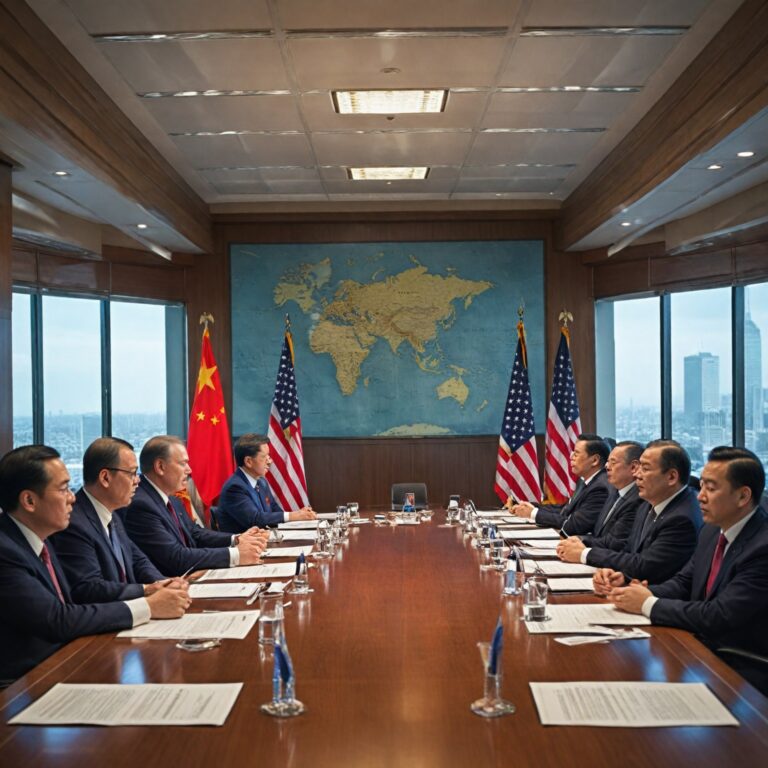
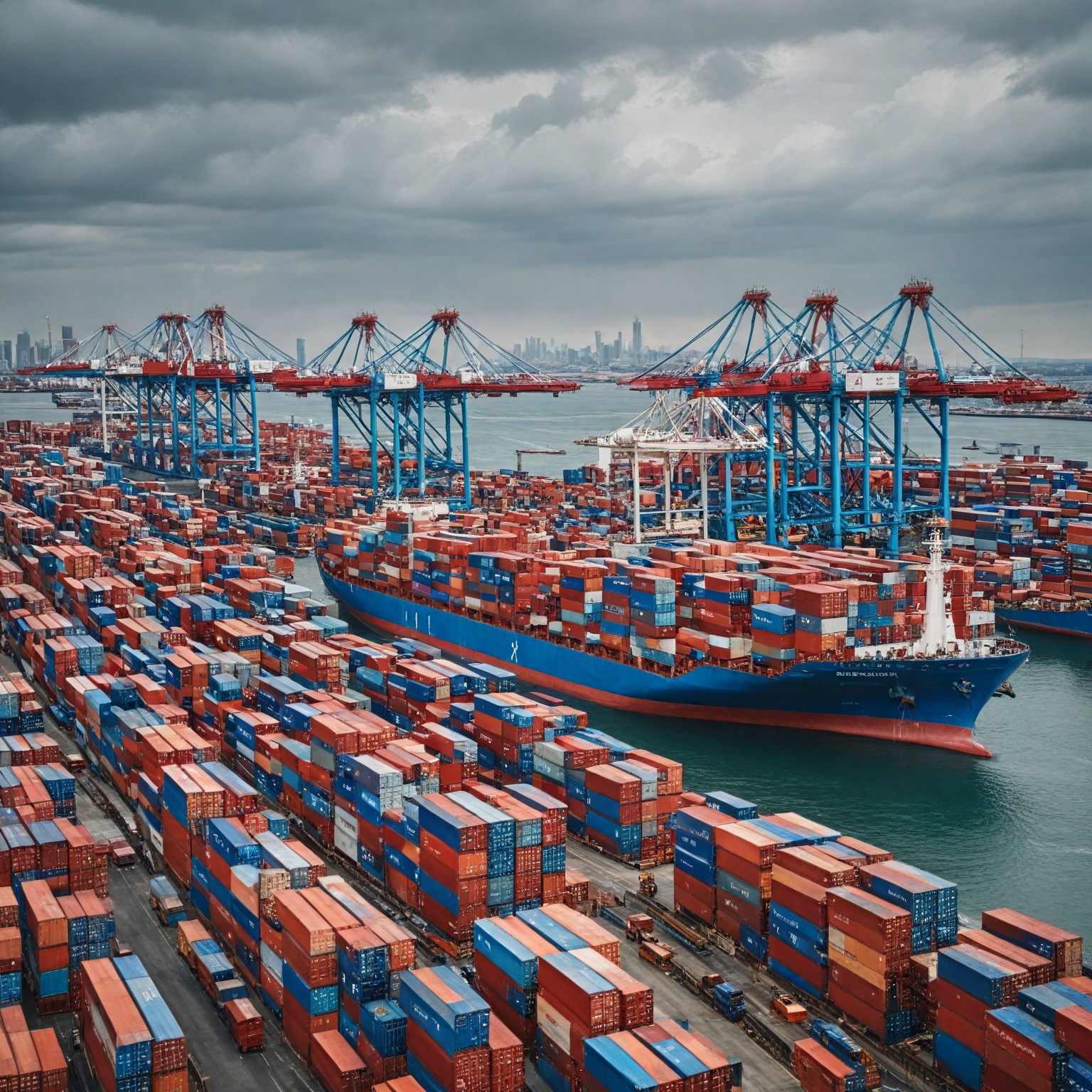
Global economic growth is increasingly challenged by two significant and intertwined factors: the resurgence of tariffs amid rising protectionism and the demographic shift toward aging populations. Tariffs, which historically served as tools to protect domestic industries, have seen a revival in recent years due to geopolitical tensions, notably the U.S.-China trade war and broad tariff policies implemented during the 2020s. While intended to bolster domestic manufacturing and geopolitical leverage, these trade barriers have raised production costs, disrupted global supply chains, and dampened both domestic and international economic output.
Concurrently, many countries—especially advanced economies—are experiencing rapid population aging driven by longer life expectancies and declining birth rates. This demographic transition results in shrinking workforces, rising old-age dependency ratios, and increased demand for labor-intensive, lower-productivity services such as healthcare. The economic implications include slower GDP growth, reduced labor productivity, and mounting fiscal pressures on pension and healthcare systems, all of which constrain sustainable expansion.
The combined effects of rising tariffs and aging populations create compounded economic headwinds, intensifying challenges to global expansion. Tariff-induced trade disruptions exacerbate the productivity constraints posed by aging labor forces, leading to increased uncertainty, reduced investment, and shifts in consumption patterns that further slow growth. These dynamics necessitate coordinated policy responses focusing on innovation, labor market adaptation, and international cooperation to mitigate risks and harness emerging opportunities.
Debates over the efficacy and consequences of tariffs remain contentious. Critics argue that tariffs primarily act as consumption taxes that harm consumers and economic competitiveness, with benefits often failing to materialize as anticipated. Meanwhile, demographic challenges raise urgent questions about the sustainability of social welfare programs and long-term economic vitality. Navigating these intertwined issues will require comprehensive strategies that address both trade policy and demographic realities to foster resilient, inclusive global growth.
Background
Tariffs have historically been used by countries to protect domestic industries and counter perceived unfair trade practices by competitors. By imposing taxes on imports, tariffs encourage consumers to buy locally produced goods, thereby supporting homegrown sectors. However, these measures also increase costs for both importers and exporters and had generally been declining until recent geopolitical tensions reignited their use, notably during the U.S.-China trade war and subsequent broad tariff policies enacted by the Trump administration. For instance, in 2025, sweeping tariffs including a minimum 10% rate on all trading partners, with higher rates targeting countries such as China, Japan, and the EU, were implemented as part of a comprehensive tariff policy aimed at reviving U.S. manufacturing and exerting geopolitical influence.
Geographically, the impact of tariffs varies within the United States. Regions such as the Mountain West, Great Plains, and Southeast, where trade-exposed industries are less central, tend to experience lower average tariff levels, generally between 2 to 7 percent. These variations reflect the economic diversity across counties and highlight how local economies are differently integrated into global trade networks.
Simultaneously, the world is experiencing a significant demographic shift characterized by aging populations. This phenomenon is relatively new in human history, driven primarily by increased longevity and declining birth rates. Population aging is progressing rapidly, especially as large cohorts like the baby boomers grow older. This trend leads to a greater demand for labor-intensive services such as healthcare, which tend to have lower productivity compared to other sectors. Additionally, population aging is occurring unevenly across the globe, with 80% of older individuals projected to reside in low- and middle-income countries by 2050. The rapid pace of aging presents challenges for health and social systems worldwide, necessitating adaptations to sustain economic growth and social welfare.
Impact of Tariffs on Global Economic Growth
Empirical evidence demonstrates that tariffs have significant adverse effects on global economic growth. An analysis of annual data spanning 151 countries from 1963 to 2014 reveals that increases in tariffs are associated with economically and statistically meaningful declines in output growth, with effects that persist over time and intensify with the magnitude of tariff changes. The mechanisms behind this decline include reduced labor efficiency across sectors, appreciation of the real exchange rate that harms competitiveness, higher costs for imported inputs that raise production expenses, and intertemporal consumption effects where anticipated tariffs shift economic activity in ways that ultimately depress growth once tariffs are implemented.
Tariffs also disrupt the predictability of global supply chains, increasing costs and causing industries to scramble to adapt to new trade barriers. This disruption reshapes trade routes and creates uncertainty, which negatively impacts businesses’ operations and investment decisions. The ripple effects extend beyond direct tariff costs to broader economic sentiment; uncertainty caused by tariffs and related trade policies dampens business confidence, further weighing on both domestic and global GDP growth.
In the United States, tariffs have historically reduced the competitiveness of American enterprises and increased consumer costs. Recent tariff measures intended to revive domestic manufacturing have resulted in increased input prices and retaliatory trade barriers from other countries, which in turn have depressed U.S. and global economic output. For instance, tariffs on steel and aluminum were found to have caused significant job losses in steel-using industries, far exceeding job gains in steel production itself.
Beyond the direct economic impacts, tariffs act as a consumption tax, raising prices for consumers and reducing their purchasing power. This effect tends to disproportionately harm industries reliant on imported inputs and ultimately burdens consumers, who bear most of the cost of tariffs through higher prices and diminished product availability. Companies exposed to tariffs may experience reduced demand and increased vulnerability, forcing them to reconsider supply chains, manufacturing footprints, and talent operations in order to mitigate adverse impacts and maintain competitiveness.
As trade tensions continue and protectionist measures escalate, the potential for a sustained global trade war threatens to slow growth across various regions, including North America, Europe, and Asia. Forecasts predict lower global GDP growth rates partly due to tariff-induced disruptions and retaliations, underscoring the broad economic risks posed by such trade policies. Overall, the consensus among economists and policymakers is that tariffs, while politically motivated to protect certain domestic sectors, tend to act as an economic drag, dampening worldwide expansion and imposing costs that outweigh their benefits.
Demographic Shifts and Their Economic Implications
Demographic changes around the world, particularly population aging and declining working-age populations, are profoundly influencing economic growth and social structures. This shift is largely driven by increased life expectancy and reduced fertility rates, leading to a growing proportion of elderly individuals relative to younger, working-age cohorts.
In many advanced economies, including Japan, North America, and Western Europe, the aging population is generating significant challenges. Japan exemplifies this trend with its median age projected at 49.5 years in 2023, the highest globally, and a working-age population expected to decline substantially by 2050. This “super-ageing” society faces concerns over labor shortages, slowing economic growth, and the sustainability of pension and healthcare systems. The old-age dependency ratio—the number of retirees relative to workers—is increasing, placing additional strain on social welfare programs and healthcare infrastructure.
Economically, aging populations tend to correlate with slower GDP growth. Studies have shown that a 10% increase in the share of individuals aged 60 and older is associated with a 5.5% reduction in GDP per capita growth in the United States. Aging also impacts productivity patterns: productivity typically follows an inverted U-shaped curve over an individual’s career, with declines at both early and late stages, and a shift in labor demand towards less productive, more labor-intensive service sectors such as healthcare. Additionally, smaller and less dense working populations can further reduce overall productivity levels.
The demographic divide between regions presents both challenges and potential opportunities. For example, Africa’s surplus of young people seeking employment contrasts with Europe’s aging workforce and job vacancies. However, with over 96% of the global population residing in their birth countries, international migration remains limited. Enhanced migration flows could alleviate demographic pressures by balancing labor supply and demand, as well as boosting remittances to support development in origin countries, particularly if transfer costs decline.
The societal costs of demographic shifts include increased healthcare spending, as demand for medical services rises with age. This trend necessitates greater allocation of resources towards health systems, which are already substantial contributors to GDP in many developed nations. If unaddressed, the shrinking labor force may struggle to support a growing retired population, potentially leading to diminished quality of life among the elderly due to strained financial and institutional resources.
Given the predictable nature of demographic changes, policymakers have a critical window to implement strategies that can mitigate adverse economic impacts. These may include labor market reforms, incentives for higher fertility rates, encouragement of immigration, and adjustments to pension and healthcare frameworks. Failure to act could result in prolonged economic stagnation and increased social burdens as populations continue to age globally.
Combined Effects of Tariffs and Aging Populations on Global Expansion
The interplay between rising tariffs and aging populations presents a multifaceted challenge to global economic growth, influencing productivity, labor markets, and international trade dynamics. Both factors independently contribute to slowing expansion, but their combined effects may amplify economic headwinds worldwide.
Impact of Aging Populations on Economic Growth
Many industrialized nations, including those in North America, Western Europe, and Japan, are experiencing rapid demographic shifts characterized by an increasing proportion of older individuals. This trend results in a shrinking working-age population and a rising old-age dependency ratio, which places pressure on pension systems and healthcare infrastructure while altering consumption patterns. As the labor force diminishes relative to dependents, economic strains intensify, potentially slowing GDP growth.
However, slower population growth can lead to higher output and wages per worker, provided productivity gains offset the rising number of dependents per worker. The challenge lies in sustaining or enhancing productivity to mitigate the economic burdens of an aging workforce. Policymakers are encouraged to pursue strategies focused on innovation, inclusivity, sustainability, and resilience to balance short-term demands with long-term growth. Without such measures, economies risk stagnation or secular stagnation, a condition evidenced by Japan’s flat growth and Europe’s sluggish recovery post-financial crisis.
Tariffs and Their Economic Consequences
Tariffs impose additional costs on production by raising the price of imported inputs, disrupting supply chains, and dampening international competitiveness. Empirical analysis across 151 countries from 1963 to 2014 demonstrates that tariff increases significantly reduce output growth, with persistent adverse effects that magnify as tariff levels rise. The repercussions include reduced labor efficiency across sectors, an appreciation of the real exchange rate that undermines export competitiveness, and adverse intertemporal effects where consumption and output contract following tariff implementation.
Export-driven economies are especially vulnerable to tariff-induced shocks. Countries such as China, Vietnam, and Germany, which rely heavily on exports for growth, face significant economic headwinds when tariffs diminish their access to global markets. The ongoing shifts toward protectionist trade policies heighten uncertainty for procurement and supply chain professionals globally, potentially reshaping commercial dynamics and inflating production costs further.
Synergistic Effects on Global Expansion
When combined, tariffs and demographic aging create compounded pressures on global economic expansion. An aging workforce already constrains labor supply and productivity potential, while tariffs elevate production costs and disrupt trade, further suppressing growth prospects. Firms in affected countries may delay capital investments and instead focus on optimizing internal capabilities, adjusting pricing strategies, and expanding into less impacted customer segments to weather the turbulence caused by tariff-induced demand instability.
Moreover, tariffs substitute less effectively for progressive taxation in stimulating economywide demand, as the redistribution of income toward lower- and middle-income households typically supports higher spending than tariff revenues do. Consequently, reliance on tariffs as a fiscal tool may undermine broader economic growth by reducing overall consumption.
Addressing these intertwined challenges requires coordinated policy responses that promote productivity enhancements and mitigate trade frictions. Enhancing innovation and social inclusion, while fostering resilience within economies, will be crucial to sustaining global expansion amid demographic and trade pressures. Without such concerted efforts, the prospects for robust and inclusive growth worldwide may be increasingly constrained.
Policy Responses and Strategic Solutions
In response to the combined challenges of rising tariffs and aging populations that are dampening global economic growth, policymakers and business leaders are urged to adopt proactive and multifaceted strategies. Rather than solely focusing on mitigating the negative effects of trade restrictions, decision-makers should also seek opportunities that these shifts may present. Companies, in particular, can consider four strategic postures tailored to their unique operational contexts, such as driving commercial acceleration and investing in growth to capitalize on competitive advantages in supply chains and market positioning.
Governments’ responses to tariff escalations have varied widely, from imposing steep retaliatory tariffs—like China’s 125 percent tariffs on U.S. imports—to over 75 countries expressing willingness to negotiate trade terms. This diversity underscores the complexity of navigating geopolitics in the global economy and the necessity for a strategic approach that balances protectionism with cooperation. At the same time, trade policy uncertainty remains a significant drag on both U.S. and global GDP, suggesting that stable and transparent trade frameworks are critical for fostering economic resilience through 2026 and beyond.
Addressing the demographic challenge, many industrialized nations face the economic strain of rapidly aging populations, which increase demands on healthcare systems, pension programs, and social welfare budgets. Policymakers have begun implementing reforms such as raising retirement ages and adjusting benefit levels to better align with fiscal realities. These measures aim to mitigate budgetary pressures resulting from a shrinking working-age population that must support a growing elderly demographic.
Furthermore, enhancing labor force participation among traditionally underrepresented groups—including women and older workers—has emerged as a vital strategy to counterbalance workforce contraction. Technological advancements in automation, artificial intelligence, and robotics also play a crucial role in boosting productivity and offsetting demographic headwinds, as evidenced by Japan’s efforts to combat “shrinkonomics” through innovation and workforce adaptation.
Ultimately, fostering sustained economic growth in this challenging environment demands a holistic approach centered on innovation, inclusivity, sustainability, and resilience. Such a framework requires new social accords that can support a more adaptable and equitable society, capable of navigating demographic shifts and trade disruptions alike. Strategic investments in productivity-enhancing technologies and workforce development are key pillars to achieving balanced short- and long-term growth that benefits all stakeholders.
Criticisms, Controversies, and Debates
Debates surrounding tariffs and their impact on global growth have been contentious, with critics highlighting several economic and political concerns. One primary criticism focuses on the effectiveness and consequences of tariff policies, especially regarding their broader economic costs. Historically, tariffs have been seen as reducing the competitiveness of domestic enterprises while increasing the cost of goods for consumers. For example, in the United States, tariffs have been proposed as a means to revive manufacturing jobs in regions that politically support protectionist measures; however, experts caution about the uncertain geopolitical and economic outcomes of such strategies.
Economic analyses suggest that tariffs primarily burden consumers through higher prices, which in turn dampens both domestic and global GDP growth. The indirect effects of tariffs often operate through changes in market sentiment: initial optimism around business-friendly policies can give way to pessimism as firms and households adjust their expectations, potentially amplifying the negative economic impact beyond direct tariff costs. Moreover, the empirical macroeconomic evidence supporting the claimed benefits of tariffs remains limited and inconclusive, as much of the existing research has focused on micro-level analyses within a few countries rather than broad aggregate data.
Protectionist approaches such as infant industry subsidies also face criticism. These subsidies, intended to nurture emerging sectors, risk encouraging inefficiencies and lower-quality production if sheltered industries avoid competition. Consequently, such measures can impose a drag on economic growth by misallocating resources and sustaining noncompetitive firms.
Beyond tariffs, demographic challenges further complicate global economic prospects. The rapid aging of populations in industrialized nations introduces fiscal and social strains, including shrinking workforces, rising healthcare costs, and unsustainable pension commitments. These shifts alter economic demand patterns and productivity, with the societal costs exacerbated by increased net consumption among the elderly. While some elderly populations continue to contribute
Future Outlook and Research Directions
The future outlook for global economic growth is shaped by complex and interrelated factors, notably the impact of tariffs and demographic shifts such as aging populations. These influences present both challenges and opportunities for policymakers, businesses, and researchers.
The ongoing implementation of protectionist trade measures, including increased tariffs, continues to alter global supply chains and economic dynamics. While tariffs may serve as tools to protect domestic industries, their broader macroeconomic effects remain a subject of debate. Empirical macroeconomic analyses suggest that aggregate data may not fully capture the nuanced costs of raising tariffs, highlighting the need for more comprehensive and country-specific studies to understand these impacts accurately. Moreover, evolving geopolitical landscapes underscore the importance of adopting strategic business postures that look beyond merely mitigating risks to actively pursuing growth opportunities amid trade disruptions.
Demographic changes, particularly the aging of populations in developed countries, add another layer of complexity to global growth prospects. As fertility rates fluctuate and life expectancy extends, the balance between workforce size and retiree populations shifts, posing risks of increased healthcare costs, labor shortages, and social support challenges. However, the evolutionary nature and relative predictability of demographic trends offer policymakers a window to implement proactive measures aimed at mitigating adverse outcomes and leveraging potential benefits.
Looking ahead, advances in data analytics and artificial intelligence, such as Moody’s Research Assistant leveraging GenAI technologies, offer promising avenues to better understand and anticipate economic shifts driven by tariffs and demographic factors. These tools can provide timely, forward-looking insights that enable stakeholders to navigate an increasingly unpredictable environment more effectively.
Future research directions should focus on integrating micro-level empirical findings with macroeconomic models to produce a holistic understanding of tariff impacts across diverse economies. Additionally, interdisciplinary studies combining economic, demographic, and technological perspectives will be essential to craft adaptive strategies that foster sustainable growth in the face of evolving global challenges. Continuous monitoring of policy changes and demographic trends will also be critical to inform decision-making and capitalize on emerging opportunities.
The content is provided by Jordan Fields, News Scale