
Summary
Unlocking Loyalty: Are Today’s Programs Still Delivering Real Value examines the evolution, effectiveness, and future prospects of customer loyalty programs in a rapidly changing marketplace. Loyalty programs—systems designed to incentivize repeat business and deepen customer engagement—have existed in various forms for centuries, from early token and stamp schemes to sophisticated digital platforms integrated with artificial intelligence and behavioral psychology. Their widespread adoption across industries such as retail, travel, and banking highlights their strategic importance in fostering brand loyalty and enhancing consumer lifetime value.
Modern loyalty programs have grown far beyond simple points accumulation to include diverse formats like tiered rewards, coalition partnerships, and subscription models, all leveraging digital technologies to offer personalized, engaging experiences. Key features such as gamification, social currency, and mobile integration aim to motivate customers by appealing to psychological drivers including status, anticipation, and community belonging. Data analytics plays a critical role in tailoring rewards and communications, allowing brands to optimize program performance and ROI.
Despite their popularity, loyalty programs face mounting challenges. Recent studies suggest that many programs primarily reward existing customer behaviors without significantly increasing long-term loyalty or profitability. Additionally, customer loyalty appears to be declining overall, complicating efforts to sustain engagement amid heightened privacy regulations and evolving consumer expectations. Controversies also surround the balance between personalization and data privacy, as well as the genuine value delivered to customers versus program complexity and costs.
Looking ahead, loyalty programs are poised to evolve through innovations such as real-time offer personalization, blockchain-based reward tracking, and experiential incentives that deepen emotional connections between brands and customers. Success will depend on brands’ ability to blend technological advancements with transparent, meaningful value propositions that respect privacy and foster genuine loyalty. This article provides a comprehensive overview of these developments, analyzing how today’s loyalty programs continue to deliver—or fall short of delivering—real value to businesses and consumers alike.
Background
Loyalty programs have a long and varied history, evolving significantly over time to meet changing consumer preferences and technological advancements. The origins of loyalty initiatives can be traced back to ancient and early modern practices where token systems or stamps were used as incentives to encourage repeat behavior. For example, in the late 19th century, programs began replacing coins with stamps as rewards, with Green Shield stamps emerging as one of the earliest retail loyalty programs, considered predecessors to modern schemes like Air Miles and Aeroplan. The early 20th century saw the introduction of brand-specific programs such as the “box tops” system pioneered by Betty Crocker in 1929, which laid the groundwork for contemporary loyalty frameworks by encouraging consumers to collect coupons printed on product packaging to redeem for rewards. However, it was not until 1981 that the modern era of loyalty programs truly began with the launch of American Airlines’ Frequent Flier program, which introduced a full-scale, structured reward system within the airline industry. This program revolutionized customer engagement by linking rewards directly to travel behavior, setting a standard followed by airlines worldwide.
Over the decades, loyalty programs expanded beyond simple reward schemes into complex ecosystems, incorporating tiered rewards, coalition programs spanning multiple industries, and digital integration. The late 1990s and early 2000s marked a significant shift as loyalty programs transitioned from physical stamps and coupons to digital platforms enabled by the rise of the internet and mobile technology. These technological advancements facilitated personalized rewards, omnichannel experiences, and seamless integration with customers’ digital lives.
In recent years, loyalty programs have leveraged data analytics, artificial intelligence, and behavioral psychology to deepen customer engagement. Features such as tiered systems, gamification, and exclusive experiences are designed to foster competence, status, and relatedness among members, motivating sustained participation. Additionally, partnerships between travel companies and credit card issuers have created multifaceted rewards ecosystems, where loyalty points function as a valuable currency traded between airlines, banks, and consumers. As loyalty programs continue to evolve, the fundamental objective remains consistent: to create meaningful value for customers and businesses by encouraging ongoing loyalty through personalized, engaging, and mutually beneficial reward structures.
Types of Loyalty Programs
Loyalty programs come in various forms, each designed to encourage customer retention and engagement by offering rewards and incentives tailored to different business models and customer behaviors. Understanding the main types of loyalty programs can help brands choose the right strategy to deliver real value to their customers.
Points-Based Programs
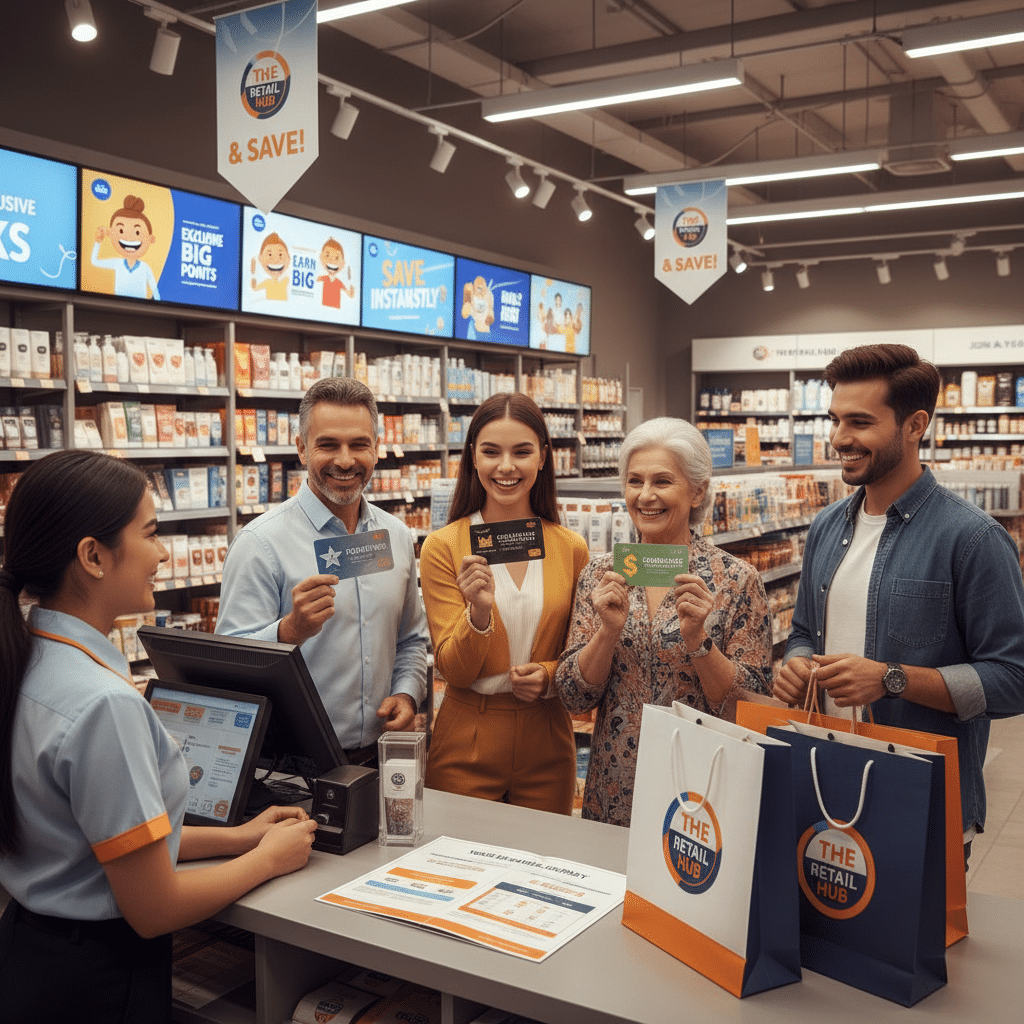
Points-based programs are the most common form of loyalty program. Customers accumulate points based on their purchases, which can then be redeemed for free products, discounts, or other rewards. A classic example is the loyalty card, where customers scan their card at purchase and receive points proportional to their spending. This straightforward mechanism works well in industries with frequent purchases, encouraging higher average order values.
Single-Brand Loyalty Programs
Single-brand loyalty programs operate within a single company or brand, often encompassing all stores and digital channels owned by that company. An example is Gap Inc.’s loyalty program, which covers its various brands such as Gap, Banana Republic, Old Navy, and Athleta. These programs reward customers for purchases made exclusively within the company’s ecosystem, fostering brand loyalty through targeted perks and promotions.
Coalition Loyalty Programs
Coalition loyalty programs, also known as loyalty partnerships, involve multiple otherwise-unrelated businesses collaborating to offer shared benefits to their customers. This type of program allows consumers to earn and redeem rewards across a network of participating companies, thus broadening the appeal and utility of the program. Rakuten Rewards in the U.S. is a prominent example of a coalition program, providing customers with discounts and promotions applicable at various partner retailers.
Value-Based Loyalty Programs
Unlike traditional points-based schemes that focus solely on spending, value-based loyalty programs reward customers for the overall value they bring to the brand. This can include actions such as social media shares, product reviews, and customer referrals. Although these programs can be more complex to manage, they incentivize deeper engagement beyond mere transactions and foster a more holistic relationship between the brand and the customer.
Tiered Loyalty Programs
Tiered loyalty programs categorize customers into different levels or tiers based on their spending or engagement. Higher tiers unlock progressively more exclusive benefits, creating motivation for customers to increase their loyalty to attain elevated status and enhanced rewards. This structure helps brands recognize and reward their most valuable customers while encouraging others to engage more actively.
Subscription-Based Loyalty Programs
In subscription-based programs, customers pay an upfront or recurring fee to access exclusive benefits, such as special discounts, early product access, or free shipping. This model provides a steady revenue stream for businesses and creates a sense of exclusivity for subscribers, often leading to increased customer retention and lifetime value.
Together, these types of loyalty programs cover a broad spectrum of marketing strategies, from simple rewards for purchases to complex systems that foster community engagement and multi-brand collaboration. Each has distinct advantages and challenges, making it important for brands to select the approach that aligns with their business goals and customer expectations.
Features and Design Elements of Modern Loyalty Programs
Modern loyalty programs have evolved significantly to align with advancements in technology and shifts in consumer behavior, incorporating a variety of features and design elements that enhance customer engagement and retention. Central to these programs is the integration of gamification, personalization, digital platforms, and social influence, all aimed at creating meaningful and rewarding customer experiences.
Gamification and Psychological Drivers
A key design element in contemporary loyalty programs is gamification, which applies addictive game-like mechanics—such as progress bars, milestones, and tiered rewards—to motivate customers to engage repeatedly. By providing visual cues of advancement and achievement, these features foster a sense of competence and anticipation, encouraging customers to strive for higher tiers and exclusive benefits. Elite tiers often function as social status symbols, where customers gain a sense of identity and belonging through badges like “Platinum” status, which carry social meaning beyond transactional value. However, to maintain motivation, programs must ensure that higher tiers offer genuinely enticing benefits and preserve exclusivity.
Digital Integration and Mobile Platforms
The transition from traditional to digital platforms has been pivotal in the design of modern loyalty programs. Businesses now leverage mobile apps to provide seamless access to loyalty benefits, real-time tracking of points, and personalized offers, significantly enhancing the user experience. Mobile apps allow for quick rewards redemption through QR code scanning and enable push notifications that remind and encourage ongoing participation. This mobile-first approach not only lowers friction for customers but also provides businesses with richer behavioral data and analytics, giving them a competitive edge in tailoring their programs effectively.
Personalization and Data Utilization
Data is the backbone of modern loyalty programs, enabling personalization at scale. Through data analytics and machine learning, businesses can customize rewards and communications to individual customer preferences, purchase history, and location, thus increasing relevance and engagement. Personalization extends across multiple channels and touchpoints to reach diverse customer segments with tailored messages, which can motivate enrollment and continued participation. Furthermore, omnichannel integration ensures that loyalty programs are not confined to physical stores but span online platforms and social media, facilitating a consistent customer experience.
Social Currency and Community Building
Beyond tangible rewards, modern loyalty programs harness social currency to enhance perceived exclusivity and foster community among members. Social sharing of achievements and redemption stories creates a sense of relatedness and belonging, which strengthens emotional loyalty. Exclusive events and unique privileges serve as magnetic attractions, rewarding loyal customers while enticing potential members to join in pursuit of similar status and experiences. These social elements also provide powerful testimonials and social proof that inspire broader participation and trust in the program.
Program Structure and Reward Dynamics
Many programs implement tiered or subscription-based structures, where customers either climb ranks through continued engagement or pay fees for access to premium benefits. To sustain interest, some programs introduce periodic resets of progress, leveraging psychological factors like urgency and loss aversion to motivate customers to maintain or improve their status before deadlines. Information visibility and ease of reward redemption also positively impact customer willingness to participate, with transparency enhancing trust and motivation.
Psychological Factors Influencing Loyalty Program Participation
Customer participation in loyalty programs is significantly influenced by various psychological factors that extend beyond the simplicity of the program and the quality of its rewards. One of the primary drivers is positive reinforcement, where customers learn to associate referrals or purchases with favorable outcomes, encouraging the repetition of such behaviors. This process helps establish new habits by rewarding desired actions, thereby fostering continued engagement.
The goal gradient effect also plays a crucial role in motivating customers. This phenomenon suggests that individuals increase their effort as they approach a goal, such as reaching a reward threshold in a loyalty program. Designing programs that visually represent progress, such as progress bars or achievement markers, can capitalize on this effect by fostering a sense of competence and accomplishment.
Early and easily attainable rewards are vital in captivating new members. Providing an accessible first reward enables customers to quickly experience success, which can diminish barriers and frustrations, fueling further participation. This initial positive experience often leads customers to pursue additional, more enticing rewards.
Social proof through customer testimonials and shared redemption stories further enhances motivation by building trust and a sense of relatedness within the program community. Elite tiers and status symbols function as badges of honor, appealing to customers’ desires for recognition and identity within the loyalty ecosystem. However, exclusivity must be maintained to preserve the motivational value of such status levels, as widespread access can diminish their appeal.
Anticipation and surprise are additional psychological motivators that programs can leverage to maintain engagement over time. By incorporating elements that create excitement about upcoming rewards or unexpected bonuses, loyalty programs can sustain customer interest and participation.
While psychological motivators are critical, habit loyalty appears to be influenced more by external factors such as financial availability, which correlates with age and employment status, rather than personality traits. This suggests that customers’ economic circumstances can indirectly impact their ability to engage with loyalty programs.
Impact on Consumer Behavior and Brand Loyalty
Brand loyalty plays a crucial role in shaping consumer behavior, significantly influencing their willingness to pay a premium for preferred brands. Research indicates a strong positive correlation between brand loyalty and increased willingness to pay, suggesting that consumers who exhibit loyalty tend to value their chosen brands more highly and are often prepared to spend more accordingly. This behavior may be influenced by both psychological factors and external conditions such as financial availability, with variables like age and employment status serving as indirect indicators of consumers’ capacity to make purchases.
The concept of brand loyalty extends beyond simple repeat purchasing; it reflects a deeper relationship between the brand and the consumer, encompassing mutual benefits for both parties. This relationship-based perspective is essential for developing theoretical frameworks that integrate consumer psychology and market dynamics, advancing the understanding of brand loyalty as a multifaceted construct. Furthermore, brand loyalty is a central component of brand equity, which encompasses both tangible product attributes like quality and intangible psychological associations such as emotional connections.
Consumer loyalty behavior also varies depending on product price range. For higher-priced products, loyalty and willingness to pay premiums tend to be driven by these emotional and psychological factors, whereas, for lower-priced items, purchasing habits and economic availability play a more significant role, with familiarity and recommendations often influencing loyalty. However, additional research is needed to further elucidate these dynamics.
Moreover, consumer behavior and shopping patterns are influenced by factors like promotional campaigns, which can temporarily affect shopping basket values and purchasing decisions. This highlights the importance for businesses to design loyalty programs that consider both long-term psychological motivators and short-term market influences.
Understanding the psychology behind loyalty, including key human motivators such as progress, status, choice, anticipation, and surprise, is fundamental for designing effective loyalty programs that foster lasting customer engagement. Successful programs integrate modern technologies and innovative strategies to build trust and deliver exceptional value at every customer interaction, which in turn strengthens loyalty and positively impacts consumer behavior.
Measuring Effectiveness and Return on Investment
Measuring the effectiveness and return on investment (ROI) of loyalty programs is essential for understanding their impact and ensuring their long-term success. Effective monitoring involves regularly analyzing key performance indicators (KPIs) such as incremental sales, customer retention, and purchase frequency to gain actionable insights that can drive continuous improvement.
ROI is one of the most fundamental metrics used to evaluate a loyalty program’s financial effectiveness. It encompasses a comprehensive assessment of both direct and indirect costs and benefits, allowing businesses to understand how loyalty initiatives contribute to sustained growth. Despite its importance, some organizations avoid measuring ROI due to perceived complexity, although research shows that 80% of companies do track this metric to gauge program success.
Incremental sales, or the additional revenue generated by loyalty program members, complement ROI by providing insight into the increase in sales volume attributable to the rewards program. Another critical metric is customer retention, which is typically measured by the percentage of customers returning for subsequent purchases. Increased purchase frequency among loyalty members also correlates with higher customer lifetime value and enhanced revenue generation. For example, subscription services offering exclusive rewards often observe a direct uptick in monthly purchases by loyal members.
Data segmentation and benchmarking across different product categories or offers help identify areas where the loyalty program drives profitability or may erode margins. Employing best practices such as A/B testing and data visualization ensures that the gathered information translates into actionable business decisions rather than remaining theoretical. Additionally, program health KPIs serve as leading indicators of future performance, while commerce-related KPIs provide a detailed understanding of sales dynamics within the program.
Studies have demonstrated a significant positive relationship between loyalty programs and customer retention, emphasizing that retaining customers through such initiatives is generally more cost-effective than acquiring new ones. Ultimately, success in measuring loyalty program effectiveness relies on data-driven insights, personalized member experiences, and ongoing refinement based on feedback. As loyalty programs mature, determining specific success metrics can become more challenging, but maintaining a positive growth in the customer base typically signals a well-performing program.
Challenges Facing Modern Loyalty Programs
Modern loyalty programs face several significant challenges as brands strive to deepen customer connections while adapting to evolving market dynamics. One prominent issue is the widespread decline in customer loyalty, with a
Innovations and Emerging Trends
Modern loyalty programs are undergoing significant transformations driven by advancements in technology and evolving consumer expectations. One of the foremost innovations reshaping loyalty programs is the integration of artificial intelligence (AI) and data analytics. These technologies enable businesses to personalize customer experiences by tailoring rewards and communications to individual preferences, thereby enhancing relevance and effectiveness in retaining customers. Data-driven decision-making not only optimizes program offerings continuously but also maximizes return on investment (ROI) by aligning incentives with real-time customer behavior.
Gamification has emerged as a pivotal trend, incorporating elements such as progress bars, milestones, and tiered rewards to motivate ongoing customer engagement. This approach leverages psychological insights into loyalty by creating addictive and enjoyable experiences, encouraging repeated interactions and deeper brand connection. Experience-based rewards complement gamification by offering exclusive events and privileges that cultivate a sense of community and belonging among loyal customers, thus attracting and retaining members more effectively.
Blockchain technology presents another promising frontier for loyalty programs. By establishing secure, transparent, and decentralized systems for tracking and redeeming rewards, blockchain can enhance customer trust and reduce fraud. Additionally, it facilitates the interoperability of loyalty points across multiple platforms, potentially transforming how rewards are managed and exchanged. However, despite its potential, blockchain applications in loyalty programs remain in early stages, with ongoing research needed to assess their full industrial impact.
Mobile technology and digital wallets have also contributed to the evolution of loyalty initiatives. Applications such as Stamp Me, Loopy Loyalty, and Apple’s Passbook have standardized and simplified the mobile loyalty experience, making it more accessible and engaging for users worldwide. This ubiquity of mobile access has been instrumental in shifting loyalty programs from purely transactional models toward engagement-driven interactions that prioritize ongoing customer involvement and satisfaction.
Finally, the emergence of sophisticated customer segmentation, especially focusing on generational differences such as those seen with Generation Y, has prompted businesses to refine their loyalty strategies. Tailored marketing approaches and conceptual models addressing unique consumer behaviors enable brands to foster stronger, more enduring relationships with key demographics, thereby improving overall brand loyalty.
Collectively, these innovations and emerging trends underscore a broader shift in loyalty programs—from static point-collection systems to dynamic, technology-enabled platforms designed to engage customers emotionally and experientially, ensuring sustained loyalty in an increasingly competitive marketplace.
Industry-Specific Loyalty Program Examples
Loyalty programs have been widely adopted across various industries, each tailoring their rewards and engagement strategies to meet the specific needs and behaviors of their customer base. In retail and eCommerce, loyalty platforms often utilize points, cashback, or experiential rewards to enhance customer retention and increase spending. For example, coffee shops have long used loyalty cards to encourage frequent purchases; McDonald’s McCafé Rewards program offers a free beverage after the purchase of five, effectively motivating customers to return more often. Similarly, large retailers like Wal-Mart adjust their product assortment and loyalty incentives across numerous categories to better align with consumer shopping patterns, especially as retail increasingly embraces an omnichannel format.
In the travel sector, loyalty programs have been particularly innovative and foundational for customer engagement. Airlines and travel brands use loyalty schemes not only to reward repeat customers but also to personalize offers through data analytics and artificial intelligence, such as recommending tailored roaming packages before travel. However, this sector is approaching a potential inflection point as evolving customer expectations and digital transformations reshape traditional loyalty models.
The banking industry also utilizes loyalty programs, often in the form of cashback rewards linked to debit card usage, which help to build trust and strengthen customer relationships. The rise of open banking applications further enhances loyalty by improving user experience and customer perceptions, highlighting the importance of both technological infrastructure and psychological factors in customer retention.
Coalition loyalty programs represent another significant trend, where customers can earn and redeem points across multiple, independent retailers. Examples include the U.S.-based Rakuten Rewards and programs like Air Miles and Aeroplan, which allow point accumulation across various brands and their subsequent redemption at partner outlets. These “loyalty aggregators” have roots dating back to the late 20th century and continue to evolve in scope and scale.
Case Studies
Several studies have examined the effectiveness and impact of loyalty programs across different markets and contexts. A cross-sectional study conducted in Albania investigated the effects of loyalty card programs on customer engagement, satisfaction, trust, and loyalty by analyzing survey data collected from a diverse sample of retail customers. The research highlighted how loyalty programs influence behavioral and affective loyalty among retailer customers in this market.
In China, an experimental study focused on 280 college students to explore how transparency of loyalty program (LP) information affects customers’ willingness to participate. This study also considered the role of merchant type and redemption channel, demonstrating that these factors influence customers’ decisions when redeeming rewards, thereby impacting overall participation rates.
A longitudinal analysis conducted within a convenience store franchise provided insights into the long-term effects of loyalty programs on consumer purchase behavior. The study found that while heavy buyers were more likely to claim qualified rewards, the loyalty program did not significantly alter their purchasing habits or increase exclusive loyalty to the firm over time. This suggests that loyalty programs may primarily reward existing behaviors rather than drive substantial changes in consumer loyalty.
Together, these case studies reveal a nuanced picture of loyalty programs’ effectiveness, indicating that their value depends on factors such as design, transparency, customer segments, and long-term behavioral impact. They also underscore the importance of continuous assessment and strategic refinement to enhance program outcomes.
Future Outlook
Customer loyalty programs are poised for significant transformation as brands adapt to evolving consumer behaviors and technological advancements. Looking toward 2025 and beyond, the landscape will shift from traditional points-only models to more dynamic, mobile, and data-driven experiential systems that prioritize personalized engagement and real-time responsiveness.
One of the foremost trends shaping the future of loyalty programs is the integration of real-time offer-positioning systems. These systems leverage current customer activity and loyalty scores to deliver smarter, better-fitting alternatives tailored to individual needs. For example, a telecommunications provider might detect when a roaming customer is nearing their data cap and proactively offer a top-up or alternative plans, such as throttled speeds or device-level limits, adjusting the service based on customer response. This approach exemplifies how predictive analytics and real-time data can create seamless omnichannel experiences that enhance customer satisfaction and retention.
However, the path forward is not without challenges. Nearly 40% of marketers report difficulties balancing privacy compliance with the delivery of meaningful, personalized experiences. As loyalty programs become increasingly data-driven, ensuring customer trust and adhering to privacy regulations will be critical for maintaining program effectiveness.
Engagement strategies will also evolve, with gamification elements such as challenges, badges, and interactive activities gaining prominence. These features encourage active participation and foster a stronger emotional connection between customers and brands by providing tangible benefits and recognition. The effectiveness of enterprise loyalty programs will hinge on combining strategic design, data-driven insights, and seamless execution to drive retention, engagement, and revenue growth.
To maximize impact, brands will need to deploy comprehensive promotional strategies that highlight the value of their loyalty programs while making members feel appreciated and motivated to return. Leveraging personalized marketing and social media outreach will be vital tools in elevating program visibility and appeal.
The content is provided by Sierra Knightley, News Scale